フィリップ・オン・フィルム~グラス映画音楽集成
Philip On Film (Filmworks by Philip Glass) (CD) (2001)
音楽:フィリップ・グラス
Music Composed by Philip Glass
Music Composed by Philip Glass
| 1 | 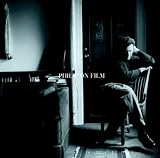 |
The Film Music of Philip Glass[Box set] [Import]Georges Auric
レーベル:Nonesuch レビュー (Amazon) In order to approach this fine collection of works by Philip Glass for the screen, you must not only have a strong liking for Glass and/or minimalism in general, but also you must dispense with the idea that Glass' music works as dramatic film scoring. Glass does succeed in his scoring for certain types of picture--those that perhaps approach the realm of post-modern fine art, including various montage sequences (the acclaimed Koyaanisqatsi) or indeed silent movies, but with any other type of film the scoring cannot provide or accentuate the drama and it becomes merely a sort of aural wallpaper. Glass does exactly the opposite of what a film composer would normally do--he writes very long cues instead of very short ones. This can be appealing for certain types of film (such as Kundun) but for others it can fight the picture, rather than add to it. Putting this aside, the resulting collection is extremely satisfying in its quantity of sounds. Glass certainly has validity in experimental film; his use of repetition in its hypnotic effect on the audience transforms the mood slowly. As a serious film composer one could argue that there are many others who don't need to provoke such extreme reactions (Jerry Goldsmith or Bernard Herrman for example).--Dominic Sewell |
| 2 |  |
フィリップ・オン・フィルム~グラス映画音楽集成[Soundtrack]映画主題歌 サントラ
レーベル:イーストウエスト・ジャパン |