The World at War (TV Series) (1974)
音楽:カール・デイヴィス
Music Composed by Carl Davis
Music Composed by Carl Davis
| 1 | 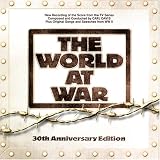 |
World at War[Soundtrack] [Import]Albrecht Brauning John Kenneth Galbraith Tsuyako Kii Bernard Kops Ekkehard Maurer
レーベル:Silva America レビュー (Amazon) The epic 1952 television documentary series Victory at Sea had proven the dramatic, inspirational power of combining archival combat footage with Richard Rodgers' stirring, original orchestral score. But in 1974, English television gratifyingly revisited the genre with a more Euro-centric historical and musical scope. This comprehensive new soundtrack edition does double-duty, honoring the series' 30th anniversary and commemorating D-Day plus 60 years. Carl Davis' score (expanded here and given a stirring new performance by the sturdy City of Prague Philharmonic) echoed the nationalities of WWII's combatant nations, variously evoking the spirits of Wagner, Prokofiev, Bartok, French jazz, and Anglo classicism with an economy of intent, yet profound emotional gravity. The composer's modernistic suites for "Arnhem Airlift" and "Warsaw Aftermath" especially echo the unsettling nature of war and the true dimensions of its human tragedy, the latter driven by a ghostly piano cadenza that evokes the city's shattered classical music legacy. Generously rounding out the series' and soundtrack's musical perspective are a dozen original pop recordings of the era, tunes whose sprightly, carefree nature stand in stark irony to the grim events they were attempting to leaven. Those performances span a rare 1939 performance by Gracie Fields with British troops in France and Charles Tenet's bubbly "Boum" and more familiar wartime icons that include Lale Anderson's "Lili Marlene" and timely fare by Noel Coward and Vera Lynn. Excerpts of key speeches by Churchill, Eisenhower, Neville Chamberlain, and Field Marshall Montgomery further underscore the music's powerful historical context. --Jerry McCulley |